DIEP Flap Breast Reconstruction
Natural Breast Reconstruction Using Your Own Tissue
Choosing breast reconstruction is deeply personal. A DIEP flap reconstruction allows you to rebuild your breast using your own natural tissue, without sacrificing muscle — offering a result that looks, feels, and ages more like your body.
This advanced microsurgical procedure is often chosen by women who want a long-term, natural solution after mastectomy.
What is DIEP Flap
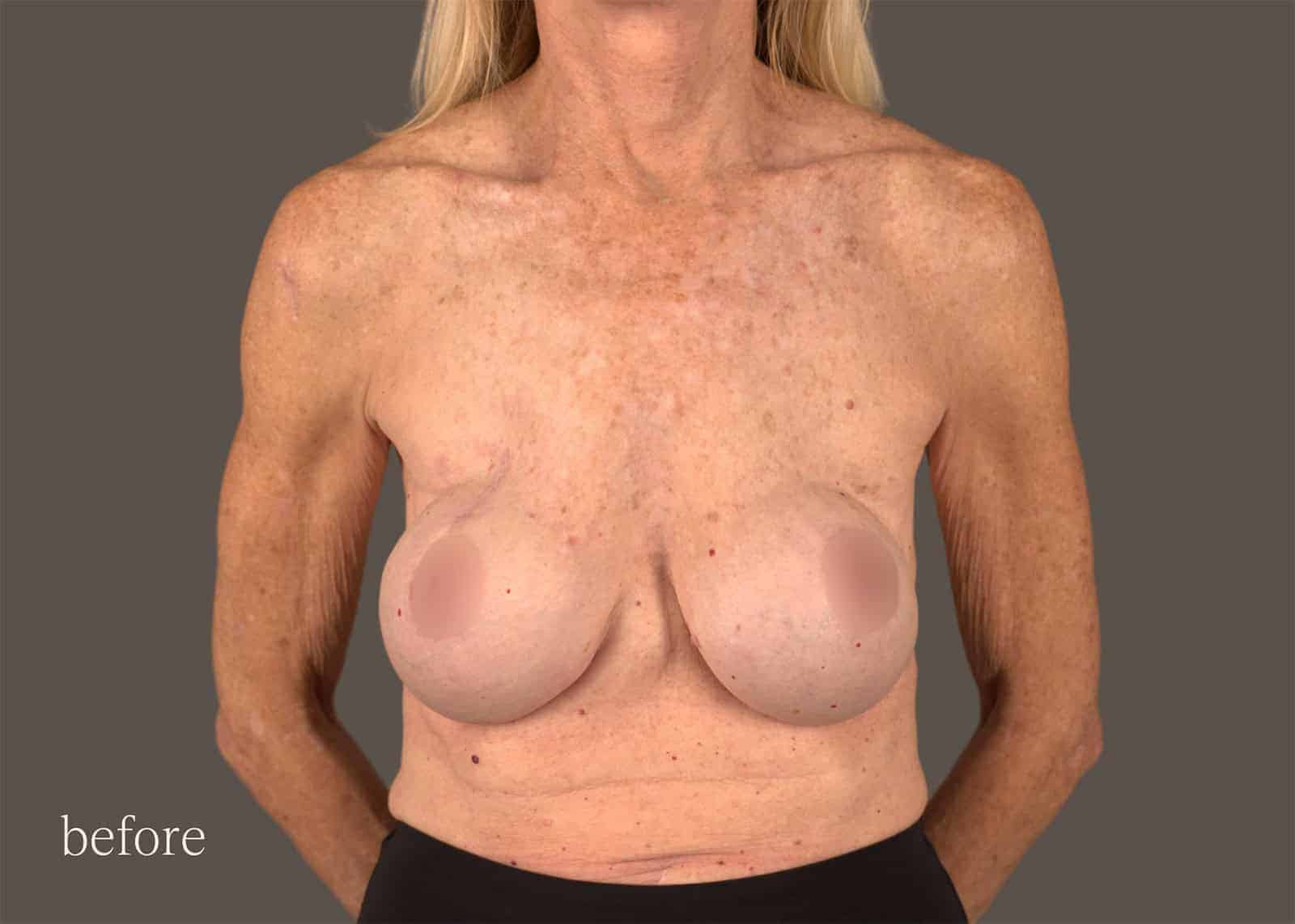
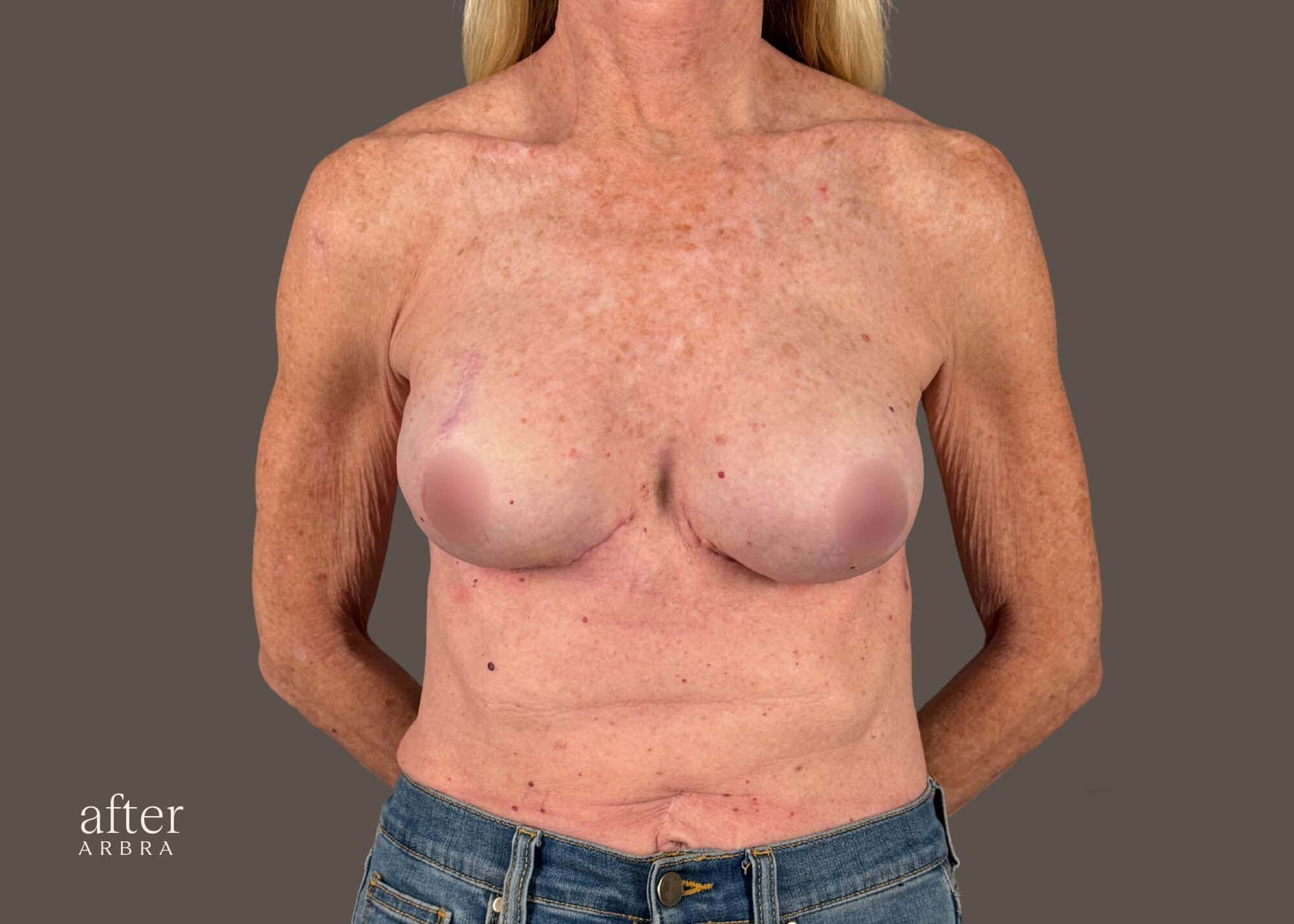
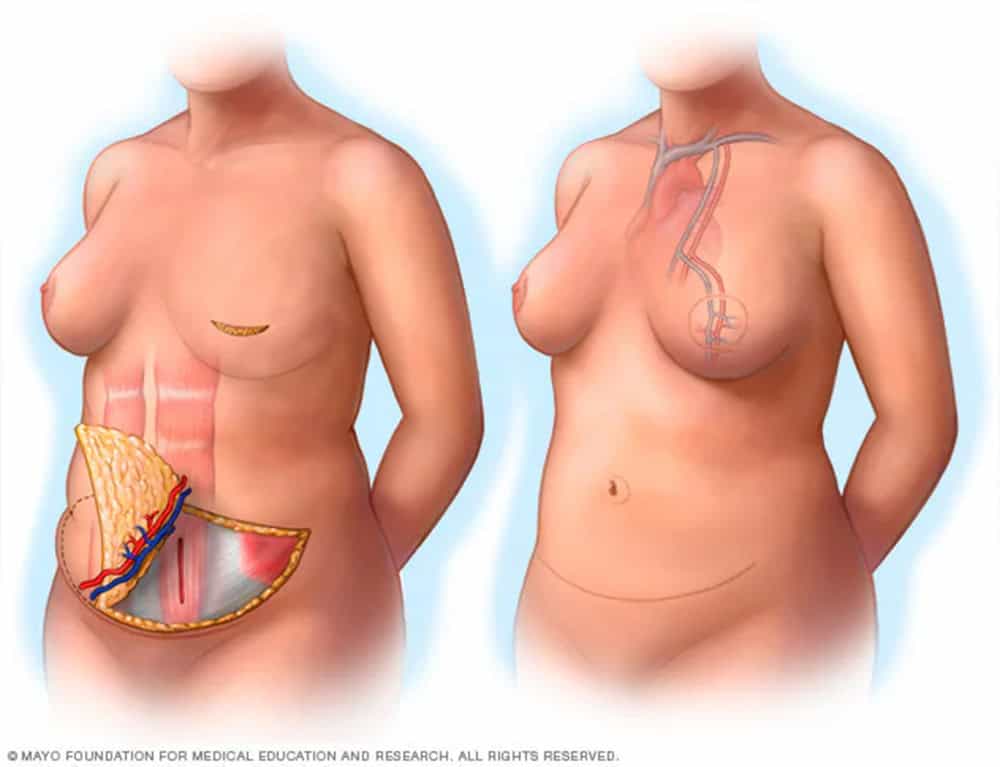
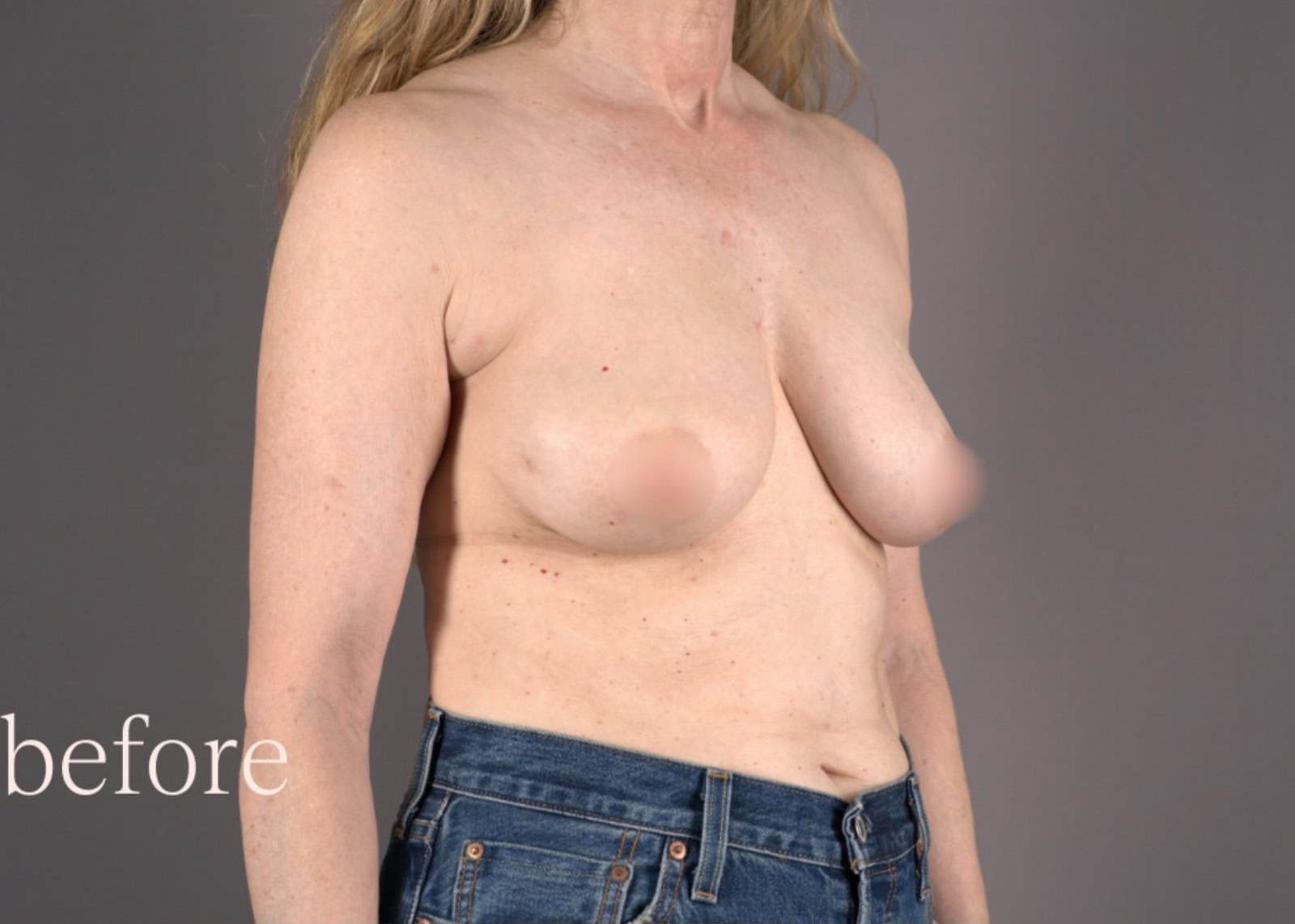
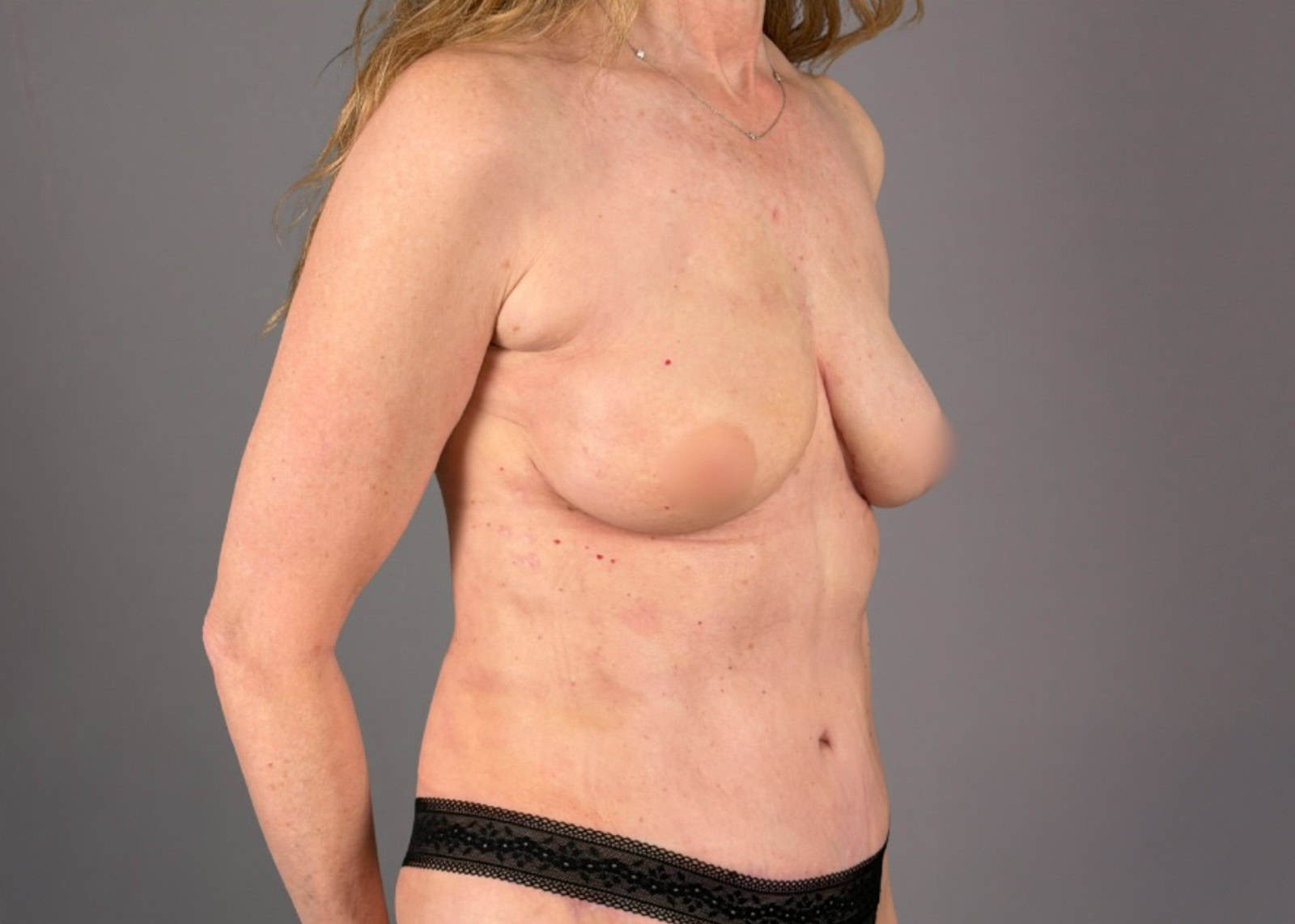
A DIEP flap (Deep Inferior Epigastric Perforator) reconstruction uses skin and fat from the lower abdomen to create a new breast, while preserving the abdominal muscles.
Using microsurgery, tiny blood vessels are carefully reconnected in the chest to restore blood flow to the transferred tissue — allowing the reconstructed breast to live and heal as part of your body.
Unlike older reconstruction methods, the DIEP flap:
- Does not weaken your core
- Preserves abdominal strength
- Uses your own tissue instead of implants

Is DIEP Flap Breast Reconstruction Covered by Insurance?
In most cases, yes — DIEP flap breast reconstruction is covered by insurance.
Under federal law, health insurance plans that cover mastectomy are also required to cover breast reconstruction, including advanced procedures like DIEP flap reconstruction, as well as procedures needed to achieve symmetry. This coverage applies whether reconstruction is performed at the time of mastectomy or delayed months or even years later.
Most insurance plans cover DIEP flap breast reconstruction, reconstruction of one or both breasts, procedures to improve symmetry, reconstruction after lumpectomy or mastectomy, and revision surgeries related to reconstruction. Coverage typically includes surgeon fees, hospital costs, anesthesia, and medically necessary follow-up care.
Even if your surgeon or hospital is out of network, many patients are still able to receive coverage due to the specialized nature of microsurgical breast reconstruction. Our team works closely with patients to verify insurance benefits, assist with pre-authorization, navigate out-of-network approvals when applicable, and provide clear cost transparency before surgery — so there are no surprises.
Insurance can feel overwhelming, especially when you’re already navigating a cancer diagnosis or recovery. You don’t have to manage this process alone. Our team will help confirm your coverage, coordinate required documentation, answer insurance-related questions, and advocate for access to appropriate reconstructive care. Our goal is to remove as much stress as possible so you can focus on healing and moving forward with confidence.
The best way to understand your coverage is through a personalized consultation.
During your visit, we’ll review your reconstruction options, discuss timing, and walk through the insurance process step by step — so you can move forward with clarity and confidence.
Who Is a Good Candidate for DIEP Flap Reconstruction?
At ARBRA, we believe candidacy isn’t about checking boxes — it’s about understanding you, your body, and your goals after breast cancer. You may be a good candidate for DIEP flap reconstruction if you:
- Does not weaken your core
- Have adequate lower abdominal tissue to support reconstruction
- Prefer a natural, implant-free reconstruction option
- Are in overall good health
- Do not smoke, or are willing to stop prior to surgery
Because every patient’s anatomy, medical history, and cancer journey are different, candidacy is never determined by a list alone. At ARBRA, consultations are thoughtful and individualized, with time set aside to review your health history, surgical goals, and long-term outcomes.
A consultation with a fellowship-trained microsurgeon allows us to determine whether DIEP flap reconstruction is the safest and most effective option for you — and to design a reconstruction plan that aligns with your body, your lifestyle, and your future.
Are you interested in learning about reconstruction options beyond DIEP flap, such as alternative flap techniques, if recommended based on your anatomy and goals?
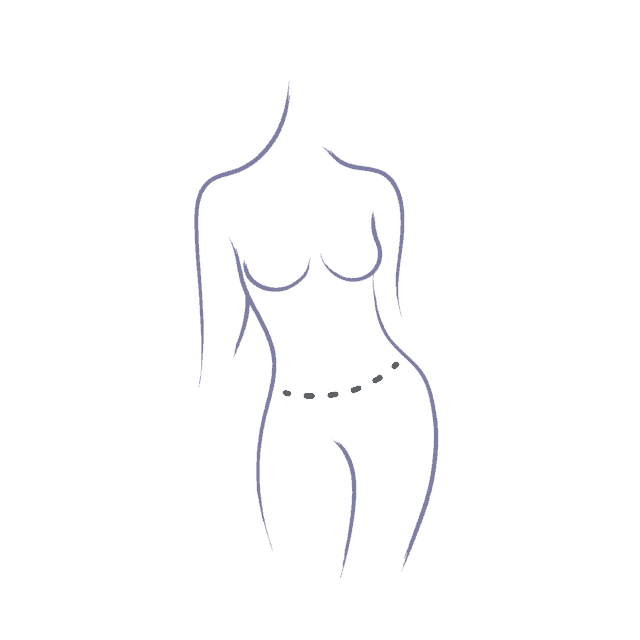
DIEP / SIEA
Diep/Superior Inferior Epigastric Perforator Free Flap
The abdomen is the most common donor site in perforator flap breast reconstruction. Extra skin and fat is removed to reconstruct one or both breasts resulting in a flattened abdomen similar to that of a tummy tuck.
STACKED DIEP
Deep Inferior Epigastric Perforator Free Flaps
In a “stacked” DIEP, both halves of the abdomen are stacked together to reconstruct one breast when added volume is needed.

SHaEP
Stacked Hemiabdominal Extended Perforator Flaps
By extending the DIEP, more tissue can be used from the hip in combination with abdominal tissue to get the volume needed to reconstruct both breasts.
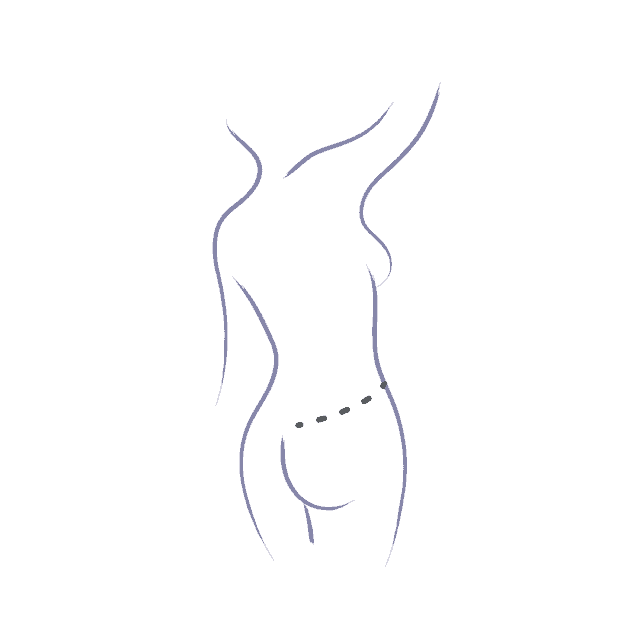
PAP
Profunda Artery Perforator Free Flap
The PAP flap uses available tissue from the back of the thigh at the buttock crease (“banana roll”.) This is a great option for those who are thin or have low body fat.

STACKED COMBINATION FLAPS
Abdomen & Thigh
Perforator flaps from different donor sites can be combined/stacked to obtain adequate volume in breast reconstruction. One example is a “stacked” DIEP and PAP combination.
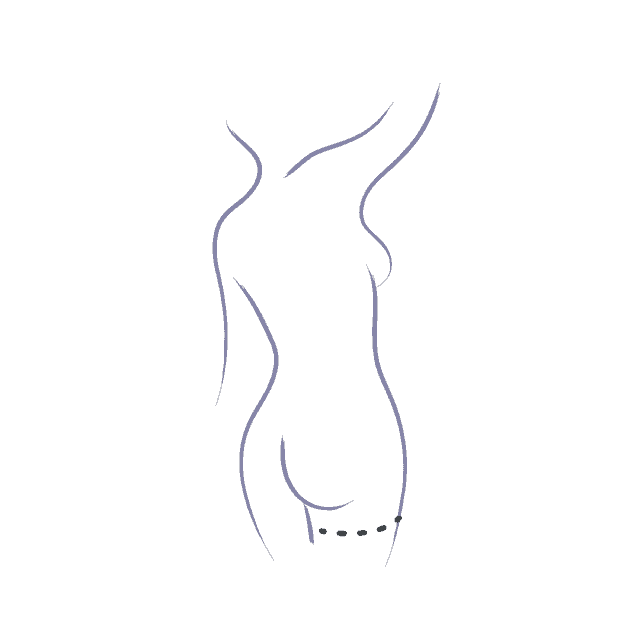
IGAP
Inferior Gluteal Artery Perforator Free Flap
The IGAP, or “In-the-crease” IGAP, uses available tissue from the lower buttock just above the buttock crease. This option is great for those who are thin or have low body fat.
Why Choose Dr. Kasia Kania for DIEP Flap Reconstruction
Choosing who performs your reconstruction matters just as much as choosing the procedure itself.
Dr. Kasia Kania is a board-certified, fellowship-trained plastic and reconstructive microsurgeon with advanced expertise in complex breast reconstruction, including DIEP flap procedures. Her background in microsurgery allows her to perform highly intricate operations that require exceptional precision, experience, and deep anatomical knowledge.
DIEP flap reconstruction is not a routine surgery. It is one of the most technically demanding procedures in plastic surgery, requiring meticulous handling of tiny blood vessels and a deep understanding of anatomy. Dr. Kania’s specialized training and focused reconstructive practice make her uniquely qualified to perform this procedure safely, effectively, and with long-term success in mind.
She completed advanced fellowship training in microsurgical breast reconstruction, where her work centered on restoring both form and function after mastectomy. This level of specialization goes beyond general plastic surgery and is critical for achieving optimal DIEP flap outcomes.
Advanced microsurgical techniques for reconnecting tiny blood vessels
Muscle-sparing reconstruction that preserves core strength
Complex revision and secondary reconstruction cases
Aesthetic refinement for natural shape, softness, and symmetry
This combination of microsurgical precision and aesthetic judgment allows Dr. Kania to deliver results that are not only medically sound, but also thoughtfully tailored to each patient’s body and goals.
Frequently Asked Questions About DIEP Flap Reconstruction
DIEP flap reconstruction is a complex microsurgical procedure and typically takes several hours to complete. The exact length of surgery depends on whether reconstruction is performed on one or both breasts and the individual surgical plan. Your surgeon will review timing in detail during your consultation.
Yes. While DIEP flap reconstruction is one option, it’s not the only one. Depending on your body, medical history, prior surgeries, and personal goals, other reconstruction options may be a better fit. These can include tissue from different areas of the body or alternative techniques entirely. During your consultation, we’ll walk through all appropriate options and help determine what makes the most sense for you.
Are you interested in learning about reconstruction options beyond DIEP flap, such as alternative flap techniques, if recommended based on your anatomy and goals? (button to other page)
Most patients stay in the hospital for several days following surgery for close monitoring. Full recovery takes several weeks, with gradual return to normal activity. Because the abdominal muscles are preserved, many patients regain strength more effectively compared to older reconstruction techniques.
One of the key advantages of DIEP flap reconstruction is that it preserves the abdominal muscles. While you will need time to heal, this muscle-sparing approach helps maintain core strength and reduces the risk of long-term weakness.
Yes. DIEP flap reconstruction can be performed immediately or delayed, even years after mastectomy. Many patients seek reconstruction well after completing cancer treatment. Timing will be discussed based on your medical history and goals.
Because DIEP flap reconstruction uses your own tissue, the reconstructed breast often looks, feels, and moves more like natural breast tissue. Results also tend to age naturally with your body over time.
Some patients choose or require additional procedures for refinement, symmetry, or nipple reconstruction. These are common parts of the reconstruction process and will be discussed as part of your individualized plan.
When performed by a fellowship-trained microsurgeon, DIEP flap reconstruction is considered a safe and effective option for breast reconstruction. As with any surgery, risks exist, and your surgeon will review these in detail during your consultation.
The best way to determine whether DIEP flap reconstruction is right for you is through a consultation at ARBRA. During your visit, we’ll review your medical history, evaluate your anatomy, and discuss your goals to help you make an informed decision.